616.357.2199
 Cascade, MI



Senior transportation to doctor visits may include public transit, paratransit, ride-hailing services, private senior transportation, medical transportation, volunteer programs, or rides arranged through a senior living community. The right choice depends on the senior’s mobility, required assistance, scheduling needs, and ability to travel safely without a family caregiver.
A medical appointment can involve more than getting from one address to another. Your loved one may need help preparing to leave, entering the vehicle, managing a mobility aid, or coordinating the return trip. Valley Pines Senior Living in Cascade, Michigan, lists transportation on-site and to medical appointments among its amenities.
What Is Senior Transportation to a Doctor Appointment?
Senior transportation to a doctor’s appointment is a ride service that helps an older adult travel to and from a medical office, clinic, or other appointment location. The service may provide a basic ride or a more supportive experience, depending on the provider and the rider’s needs.
The difference matters when a senior has trouble walking, uses a mobility aid, needs help finding the correct vehicle, or cannot manage the trip alone. A service described as senior-friendly may not automatically provide hands-on assistance, so families should understand what happens from pickup through the return home.
Transportation Is Not the Same as Medical Care
Transportation takes a senior to an appointment, but it does not automatically include medical care or personal assistance. Routine rides support scheduled visits, while specialized transportation may offer mobility accommodations or serve eligible riders with additional needs. Urgent or life-threatening situations require emergency services, not a routine ride or non-emergency medical transportation.
Curb-to-Curb, Door-to-Door, and More Supportive Rides
Curb-to-curb service usually begins and ends outside each location. Door-to-door service may include help between the vehicle and a building entrance. A more supportive ride may be needed when the senior requires help entering a building, carrying a mobility aid, or navigating the full trip.
The Administration for Community Living describes an accessible complete trip as one that works from the point of origin to the final destination. Reliability, flexibility, punctuality, and safety all contribute to whether the full trip is truly usable for an older adult.
Start With the Senior’s Needs Before Choosing a Ride
The most familiar transportation service is not always the best fit. Begin by identifying what your loved one can manage independently and where assistance is needed.
A senior who can use an app, recognize the driver, enter a standard vehicle, and wait alone may have several options. Someone who needs physical assistance, appointment reminders, mobility accommodations, or family coordination may require a more supportive arrangement.
Mobility and Physical Assistance
Consider how your loved one moves through each part of the trip. Can they walk safely from the residence to the vehicle? Can they enter and exit without help? Will the vehicle accommodate a cane, walker, wheelchair, or other mobility equipment?
Ask the provider to explain its assistance level clearly. Do not assume the driver will lift equipment, push a wheelchair, or walk the rider into the medical office unless the service confirms it.
Memory, Communication, and Appointment Coordination
A successful ride also depends on timing and communication. Your loved one may need to remember the pickup window, recognize the correct vehicle, respond to a driver’s call, and know where to wait after the appointment.
Family coordination may help when appointment times change or a visit lasts longer than expected. Before booking, decide who will receive updates and who the senior should contact if the ride is delayed.
Frequency and Predictability
An occasional checkup may be easy to arrange through family or an on-demand service. Recurring appointments often need a more dependable system, especially when they occur at the same time each week or require advance scheduling.
Appointments with uncertain end times can create another challenge. Ask how the return ride works if the medical visit ends early or runs late.
If transportation is one of several changing needs, a care assessment can help your family organize the support you are evaluating.
Senior Transportation Options Compared
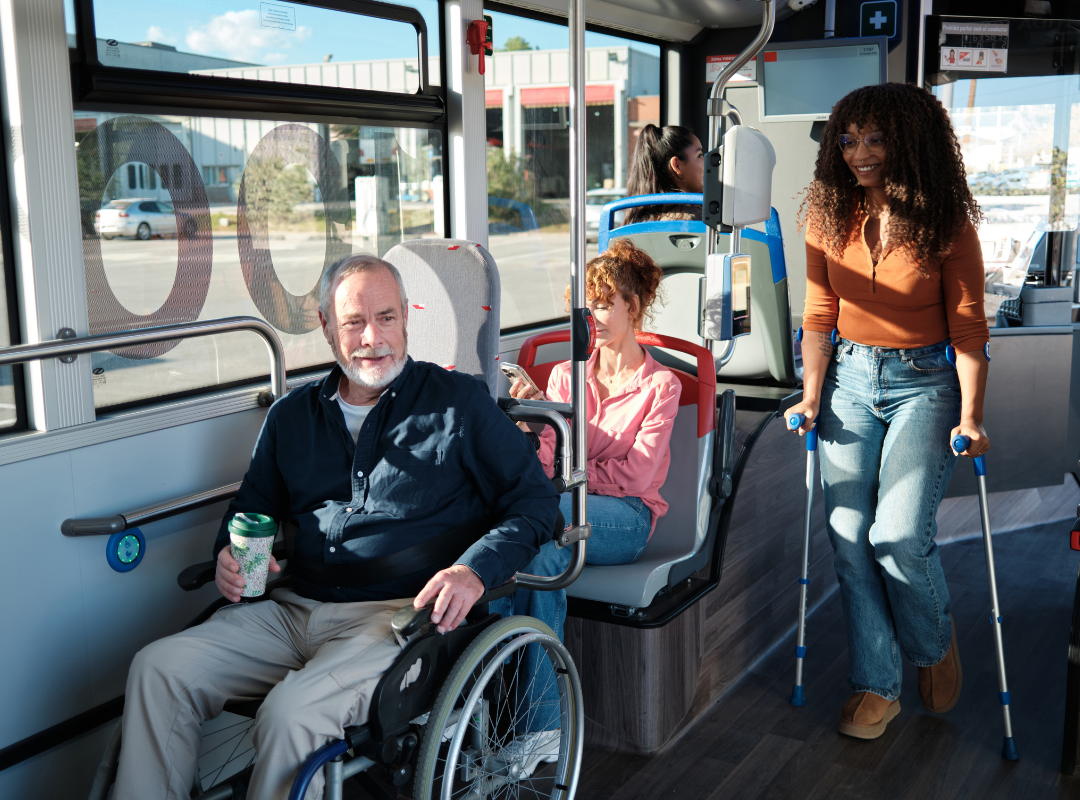
Senior transportation services range from familiar family rides to programs created for older adults and people with disabilities. Each option offers a different level of flexibility, accessibility, and personal support.
Use the following comparison as a starting point. Availability, eligibility, scheduling rules, and assistance levels vary by provider.
| Transportation option | May work well when | Important questions to ask |
| Family or caregiver ride | A trusted person is consistently available | Can the arrangement remain dependable over time? |
| Public transportation | The senior can follow routes and travel with limited assistance | Are the stops, schedules, and vehicles manageable? |
| Paratransit | A qualifying rider cannot easily use fixed-route transit | What are the service boundaries and booking requirements? |
| Uber or Lyft | The senior can manage an on-demand ride independently or with family coordination | Can the rider handle pickup, communication, and vehicle entry? |
| Private senior transportation | The senior needs a service designed around older riders | Does the driver assist beyond pickup and drop-off? |
| Medical transportation for seniors | The trip requires specific transportation accommodations | What eligibility and scheduling requirements apply? |
| Volunteer transportation | A local program serves the required area and schedule | How often are rides available, and how early must they be booked? |
| Senior living transportation | The resident wants transportation coordinated with broader daily support | Which appointments, destinations, and assistance needs are supported? |
Paratransit has a specific meaning under the Americans with Disabilities Act. The Federal Transit Administration explains that complementary paratransit acts as a safety net for eligible people whose disabilities prevent them from using regular fixed-route buses or rail.
Federal programs also help communities expand mobility options for older adults and people with disabilities. The Federal Transit Administration reported more than $443 million in fiscal year 2025 funding for its Enhanced Mobility of Seniors and Individuals with Disabilities program.
How to Evaluate Safety, Reliability, and Personal Support
A suitable ride should support the complete journey, not only the time spent inside the vehicle. Safety includes accessibility, clear communication, dependable scheduling, and an assistance level that matches the senior’s abilities.
A simple framework can help you compare transportation services without overlooking practical details.
The SAFE Ride Framework
Use the SAFE Ride Framework before choosing a provider:
- Support: What help is provided before and after the ride?
- Accessibility: Can the vehicle accommodate the senior and any mobility equipment?
- Fit: Does the service match the rider’s physical, communication, and scheduling needs?
- Expectations: Are pickup procedures, delays, cancellations, and return rides clearly explained?
A service may appear convenient but still be a poor fit if your loved one cannot manage the pickup process or needs assistance that the driver does not provide. Answering these questions early can prevent confusion on the day of the appointment.
Questions to Ask Before Booking
Ask how far in advance the ride must be scheduled and whether a family member can arrange it. Find out what happens when an appointment runs late, whether the return trip is automatic, and who should be contacted if the driver is delayed.
You should also ask whether mobility equipment is accommodated, whether a companion can travel with the senior, and where the driver’s assistance begins and ends. Clear limits are just as useful as a list of included services.
Transportation is a common caregiving responsibility. According to AARP and the National Alliance for Caregiving, 79% of the nation’s 63 million family caregivers provide transportation for an older adult or a person with a disability. Reviewing several dependable options can reduce the pressure on any one family member while preserving access to medical visits and other important destinations. Families can find additional guidance in AARP’s guide to transportation services for older adults.
How to Arrange Senior Transportation to Doctor Visits Near You
To find senior transportation to doctor visits near you, first define the rider’s needs, then identify services that cover both the pickup location and the medical office. A nearby provider is only useful if its schedule, vehicles, and assistance level support the full trip.
Gather the appointment address, required arrival time, expected duration, and information about any mobility equipment before calling. Then ask whether the service regularly handles medical appointments and how it manages return rides.
A practical booking process includes:
- Identify the senior’s mobility and assistance needs.
- Confirm the appointment location and arrival time.
- Check the provider’s service area and scheduling rules.
- Ask exactly what rider assistance is included.
- Arrange and confirm both parts of the trip.
Keep the provider’s contact information where both the senior and family can find it. A written, email, or text confirmation may also help prevent confusion about the pickup time and meeting place.
Families who are unsure where to begin can use the federal Eldercare Locator to search by location and connect with local aging and transportation resources.
Search Beyond the Phrase “Near Me”
A search for senior transportation services near me may produce several options, but distance alone does not show whether a service is suitable. Look at service boundaries, operating hours, advance-booking requirements, mobility accommodations, and return-trip procedures.
Recurring rides may follow different rules from occasional trips. Ask whether repeat appointments can be scheduled together and what happens if the rider’s needs change.
Prepare a Backup Plan
Even a reliable service can face traffic, scheduling changes, or communication problems. Keep an alternate transportation contact, the medical office’s phone number, and the name of a family member who can respond if plans change.
Agree on a clear pickup point for the return trip. This is especially helpful in larger medical buildings where several entrances may look similar.
Uber, Lyft, and App-Based Rides for Older Adults
Uber and Lyft can provide flexible transportation for some older adults, but neither service is automatically the right choice for every senior. The best fit depends on the rider’s ability to book the trip, identify the correct vehicle, communicate with the driver, and enter and exit safely.
Uber offers Senior Accounts and Simple Mode for older adults. Senior Accounts may allow a family organizer to help book, manage, and pay for rides, while Simple Mode provides a streamlined app experience with larger text and fewer ride options. Availability and features should be checked in the rider’s location.
Uber vs. Lyft Is Not the Only Decision
The better service is the one that works reliably in the seniors’ location and meets their practical needs. Compare local availability, ease of booking, family coordination, vehicle access, driver communication, and the ability to monitor the ride.
Your loved one’s comfort with the process also matters. A service that is simple for one rider may feel confusing to another, especially when pickup locations change, or the driver contacts the rider through an app.
When a Standard Ride May Not Be Enough
An app-based ride may not be suitable when a senior needs guaranteed physical assistance, a specific vehicle setup, help beyond the curb, or close coordination around the appointment.
A lifestyle assessment may help your family consider how transportation, independence, routines, and social participation fit together.
When Transportation Becomes Part of a Larger Care Decision
Transportation may be one part of a wider support need. Repeated problems with medical rides can sometimes appear alongside difficulty managing grooming, dressing, hygiene, housekeeping, dining, or other parts of a daily routine.
Looking at the complete pattern helps families avoid solving each challenge separately. A dependable ride may address one appointment, while coordinated daily support may offer a more sustainable path when several needs are changing at once.
Transportation and Assisted Living
In assisted living, transportation may be coordinated alongside personal care, dining, housekeeping, activities, and other daily services. The exact transportation schedule, destinations, and level of assistance should always be confirmed with the community.
Valley Pines offers assisted living, along with transportation on-site and to medical appointments. Families can learn more about their level of care when transportation has become part of a broader conversation about daily support.
The related resource, Benefits of Assisted Living: What Families Should Know First, can help you explore how assisted living may support routines, personal needs, and family decision-making. A cost comparison can also help you consider the combined value of housing, dining, housekeeping, transportation, and personal support.
Transportation and Daily Support at Valley Pines Senior Living
Valley Pines Senior Living is an assisted living community at 6117 Charlevoix Woods Ct SE in Cascade, Michigan. It lists transportation on-site and to medical appointments among the amenities that support residents’ everyday routines.
Residents may also receive grooming assistance, help with getting dressed, hygiene and bathroom-related care, housekeeping, dining services, and medical attention available 24/7. Families should ask the community what the available medical attention includes and how it relates to a resident’s individual needs.
Life outside medical appointments matters too. Valley Pines offers fitness and exercise classes, arts and crafts, gardening, religious observance activities, including Bible study, community games, movie nights, live music opportunities, Happy Hour, and special events. Families can explore more about these community amenities.
Transportation arrangements may depend on the trip and schedule. Ask Valley Pines about supported destinations, advance notice, boarding assistance, mobility needs, and return-trip coordination.
Find a Transportation Plan That Supports the Whole Day
The right transportation for a senior’s doctor visits should match your loved one’s mobility, communication needs, schedule, and ability to manage the full journey. Comparing assistance levels and asking clear questions can help you choose a ride that feels dependable for both the senior and the family.
If transportation has become part of a larger care concern, schedule a visit to Valley Pines to explore how assisted living, personal support, dining, housekeeping, activities, and medical appointment transportation may work together. You can also contact the community to discuss your family’s questions and learn what to expect.
Frequently Asked Questions
What Is Uber for Seniors Called?
Uber’s option designed for older adults is called an Uber Senior Account. It includes access to Simple Mode, a streamlined app experience with larger text and fewer ride choices. A family organizer may also be able to help book, manage, and pay for rides. Availability and features should be checked in the senior’s location.
How Can Seniors Get Rides to Doctor Appointments Near Me?
Seniors can use family transportation, public transit, paratransit, private senior transportation, medical transportation, ride-hailing, volunteer programs, or transportation offered through a senior living community. Start by identifying the senior’s mobility and assistance needs. A local Area Agency on Aging, public transit agency, healthcare system, or senior living community may help identify available services. Arrange both the outgoing and return ride before the appointment.
Which Is Better for Seniors, Uber or Lyft?
Neither Uber nor Lyft is better for every senior. The right option depends on local availability, booking access, vehicle entry, family coordination, communication, and the rider’s ability to manage the trip independently. Compare how each service works in the seniors’ area. A more supportive transportation option may be needed if the senior requires physical assistance or appointment coordination.
How Do Seniors Who Can’t Drive Get Around?
Seniors who cannot drive may use family rides, public transportation, paratransit, private services, medical transportation, ride-hailing, volunteer programs, or senior living transportation. The best choice depends on mobility, communication, scheduling, and the level of assistance required. Some seniors use different services for different types of trips. Check each provider’s service boundaries and support before booking.
Does Valley Pines Senior Living Provide Transportation to Medical Appointments?
Yes. Valley Pines Senior Living lists transportation on-site and to medical appointments among its amenities. Families should contact the community to ask about scheduling, destinations, advance notice, and the assistance available for a specific trip. Transportation can be considered alongside the community’s assisted living services and other daily support. Call 616-357-2199 for current details.
I was searching desperately for a facility where I could feel good about placing my family member. It’s been such a relief having him at Valley Pines Senior Living. They have made him feel welcome and gotten to know him as an individual. I also appreciate their timely communication.
Faith Marko