616.357.2199
 Cascade, MI


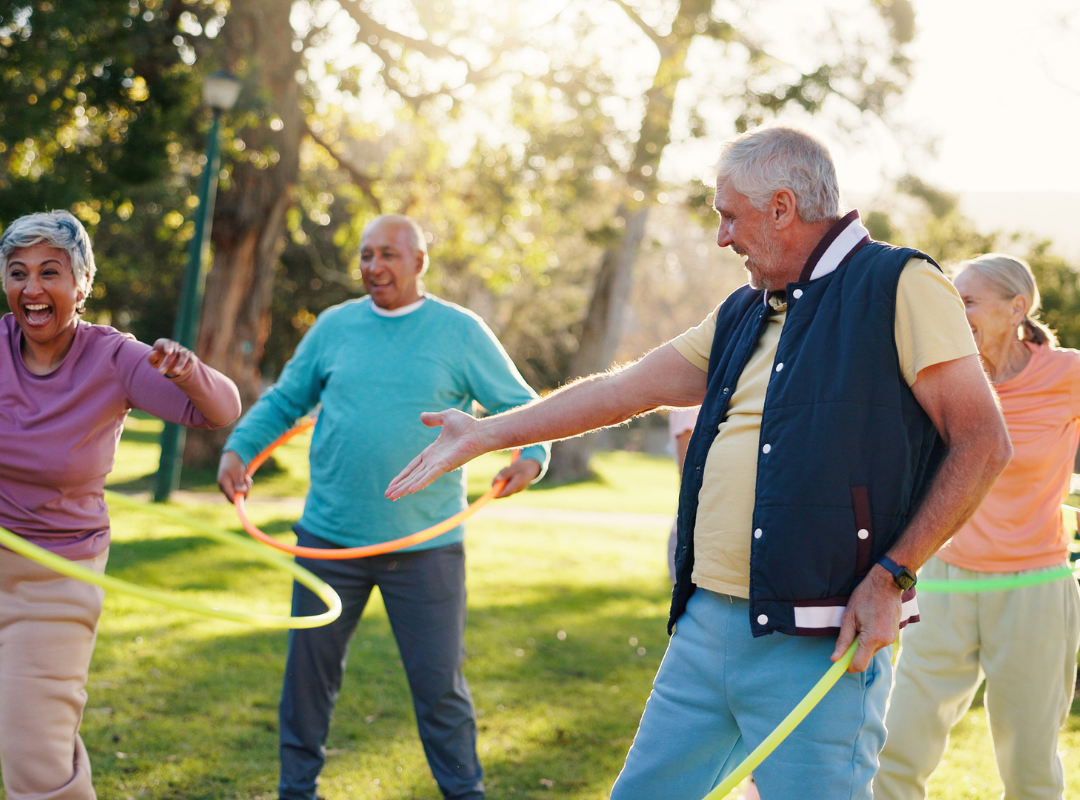
Spending time outdoors can be as simple as sitting in a garden, watching birds, tending a few plants, enjoying a picnic, or taking a comfortable walk. The best outdoor activities for elderly adults are not determined by age alone. They depend on the person’s interests, mobility, energy level, environment, and preferred pace.
An activity does not need to be strenuous or complicated to be worthwhile. For one person, a short walk may be enjoyable. Someone else may prefer gardening from a chair, talking with friends on a patio, or watching wildlife from a shaded spot.
The goal is to find an outdoor activity that fits the individual and can be adjusted when needed.
Choosing an Outdoor Activity That Fits the Person
Start with what the older adult already enjoys. Someone who has always liked plants may be more interested in gardening than an organized game. A person who enjoys quiet routines may prefer birdwatching, reading outside, or sitting near a garden. Someone who likes company may enjoy a picnic or an outdoor game with family and friends.
It also helps to consider the practical side of the activity:
- How much walking or standing does it require?
- Is there a comfortable place to sit and rest?
- Is the surface level and easy to navigate?
- Can the activity be shortened without losing its appeal?
- Is shade or shelter available?
- Will the person need help getting to or participating in the activity?
- Does the weather make another time or activity more appropriate?
Outdoor activities are easier to enjoy when the setting and level of participation match the person rather than expecting the person to adapt to an activity that does not fit.
| Outdoor Activity | May Appeal To | Ways to Adapt It |
| Garden or plant care | People who enjoy plants and hands-on hobbies | Use raised containers, smaller tasks, lightweight tools, or seated participation |
| Nature walks | People who enjoy movement and changing scenery | Choose a shorter route, flatter surface, slower pace, or regular rest stops |
| Birdwatching | People who enjoy wildlife and quiet observation | Watch from a patio, garden, window-adjacent outdoor area, or comfortable seat |
| Outdoor games | People who enjoy social or playful activities | Choose seated or low-movement games and adjust the rules as needed |
| Reading or hobbies outside | People who prefer quieter activities | Use a shaded, comfortable seating area and choose shorter periods outdoors |
| Picnics or patio conversations | People who enjoy social time without strenuous activity | Choose accessible seating, nearby restrooms, shade, and a comfortable time of day |
No activity is universally appropriate. What matters most is whether the experience fits the person’s abilities, comfort, interests, and surroundings.
Outdoor Activity Ideas for Different Interests and Abilities
A useful outdoor routine usually includes choices rather than one prescribed activity. Different interests call for different types of experiences.
Nature Observation and Quiet Outdoor Time
Outdoor activity does not always mean exercise. Sitting in a garden, listening to birds, watching changing weather, or enjoying a favorite book outside can provide a change of setting without requiring much physical effort.
These options may suit someone who enjoys nature but tires easily or prefers quieter activities.
Ideas include:
- Birdwatching
- Sitting near flowers or trees
- Reading outside
- Listening to music on a patio
- Taking photographs of plants, birds, or seasonal changes
- Watching a sunset or enjoying morning coffee outdoors
Comfortable seating and easy access to shade can make these activities more practical.
Walking and Gentle Outdoor Movement
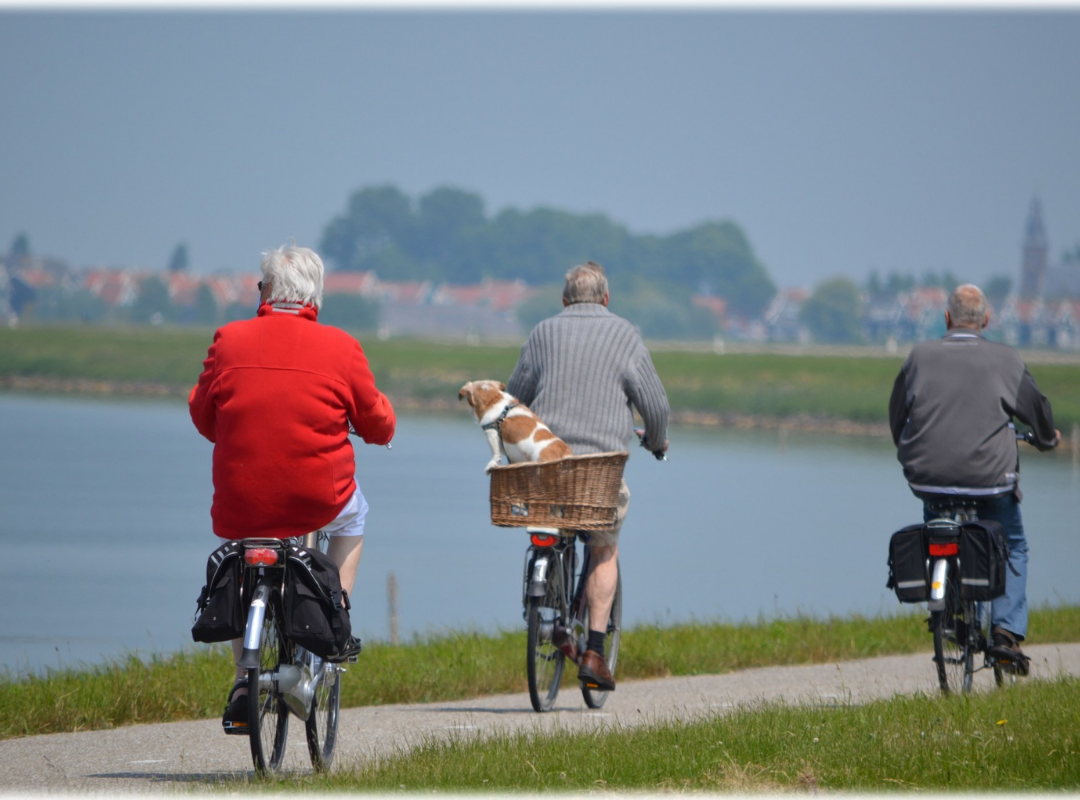
For someone who enjoys being active, walking can be one of the simplest ways to spend purposeful time outdoors. The distance does not need to be long.
A short walk through a garden, around a courtyard, or along a familiar path may be enough. Choose a route based on the person’s mobility, balance, endurance, and comfort rather than trying to reach a particular distance.
Other possibilities include gentle stretching outside or participating in a low-movement outdoor game when appropriate.
Outdoor Social Activities
People who enjoy company may prefer an activity where conversation is as important as the activity itself.
Options can include:
- A patio visit with family or friends
- An outdoor picnic
- Card or board games at an outdoor table
- A small outdoor celebration
- Watching an outdoor performance
- Sharing a gardening task
These activities can be especially adaptable because participation does not have to depend on prolonged walking or standing.
Outdoor Creative and Sensory Activities
Many familiar hobbies can also be enjoyed outdoors when the setting adds to the experience.
For example, an older adult might sketch flowers, photograph nature, arrange cut flowers at an outdoor table, or listen to music in a garden or courtyard.
The outdoor setting should have a purpose rather than simply moving an unrelated indoor activity outside. Fresh scenery, natural sounds, sunlight, plants, and seasonal changes can all become part of the experience.
How to Adapt Outdoor Activities for Limited Mobility
Limited mobility does not automatically rule out meaningful outdoor activities. Often, the better approach is to change the activity, setting, duration, or amount of assistance.
Adaptations can include:
- Choose seated participation. Gardening, games, conversation, birdwatching, and many hobbies can be enjoyed from a stable chair or bench.
- Reduce the distance. A brief walk on a comfortable route may be more enjoyable than a longer outing that causes fatigue.
- Use accessible surfaces. Level, firm paths can be easier to navigate than uneven grass, gravel, or steep terrain.
- Keep rest areas nearby. Benches or chairs make it easier to take breaks before fatigue becomes uncomfortable.
- Break a larger activity into smaller tasks. Instead of maintaining an entire garden, someone might water a few plants or tend one container.
- Choose convenient locations. An outdoor area close to the home, residence, restroom, or other needed facilities can reduce unnecessary difficulty.
- Participate with another person when helpful. A family member, friend, caregiver, or support person can make transportation or participation more manageable.
The aim is not to make every person participate in the same way. It is to preserve the enjoyable part of the activity while reducing unnecessary barriers.
Planning Outdoor Time Around Weather and Comfort
Weather can change whether an outdoor activity is comfortable or appropriate, especially for older adults.
During hot weather, people age 65 and older can be more susceptible to heat-related health problems. The CDC’s heat guidance for adults 65 and older recommends taking steps to stay cool and hydrated.
On warmer days, consider:
- Choosing morning or another cooler part of the day
- Using shaded or air-conditioned places for breaks
- Keeping water accessible
- Shortening the activity when conditions are uncomfortable
- Choosing a less demanding activity during extreme heat
Cold weather also deserves additional planning. The National Institute on Aging’s cold-weather safety guidance notes that older adults can be more affected by cold and that wind, damp conditions, snow, and ice can add risk.
When temperatures fall, consider:
- Checking weather and wind conditions before going outside
- Wearing appropriate layers and weather-resistant clothing
- Limiting time outdoors on very cold, windy, or damp days
- Avoiding icy or slippery surfaces
- Keeping a warm indoor location nearby
Comfort matters in milder weather, too. Shade, appropriate clothing, supportive footwear, seating, accessible surfaces, and the ability to return indoors can make an outdoor experience easier to enjoy.
Health conditions and some medications can also affect how a person responds to hot or cold temperatures. When there is uncertainty about an individual’s health needs, ask a qualified healthcare professional for guidance.
Gardening as One Outdoor Option
Gardening can work well for older adults who enjoy plants, seasonal routines, or hands-on activities. It does not have to involve digging large garden beds or spending hours outside.
Depending on mobility and interest, gardening might mean:
- Watering a few plants
- Tending containers or raised planters
- Planting herbs or flowers
- Removing spent flowers
- Checking how plants change throughout the season
Tasks can be shortened, simplified, or completed while seated. Gardening is one option among many, so it should be chosen because the person enjoys it rather than because it is considered a typical senior activity.
What to Look for in Outdoor Opportunities at Senior Living
Families evaluating assisted living may want to look beyond whether a community simply lists “outdoor activities.” The more useful question is whether the outdoor opportunities fit the older adult who may actually participate in them.
During a visit, consider asking or observing:
- Are there accessible outdoor areas?
- Is comfortable seating available?
- Are there shaded or sheltered places to spend time?
- What types of outdoor activities are available?
- Are there choices for people with different mobility levels?
- How easy is it to reach outdoor areas?
- What happens when weather conditions are uncomfortable?
- Would the available options match the person’s actual interests?
Outdoor opportunities are only one part of community life. Families who want a broader picture can also review the activities at Valley Pines Senior Living to learn about other available interests and events.
Outdoor Engagement at Valley Pines Senior Living
Valley Pines Senior Living provides Assisted Living in Cascade, Michigan. Available amenities include gardening and other outdoor activities, along with a broader range of community activities.
For someone who enjoys being outside, the most useful way to evaluate those opportunities is to consider whether they fit personal interests, mobility, comfort, and preferred ways of participating.
A community visit can also provide context that an activity list cannot. Families can see the setting and ask questions about the outdoor opportunities that matter most to them.
If you are considering assisted living for yourself or someone you love, you can schedule a tour of Valley Pines Senior Living to visit the community and ask questions in person.
Finding Outdoor Activities That Feel Like a Good Fit
The best outdoor activity is not necessarily the most active, social, or ambitious one. It is the activity that an older adult can realistically enjoy in a setting that fits their interests, mobility, energy, and comfort.
That could mean taking a short walk, caring for plants, talking with a friend on a patio, watching birds, or simply enjoying a favorite quiet activity outside.
When families are considering senior living, those same principles can help them evaluate whether a community’s outdoor opportunities fit the person rather than simply checking whether outdoor activities appear on an amenities list.
To explore community life in more detail, review the activities available at Valley Pines Senior Living or schedule a tour to see the setting firsthand.
Frequently Asked Questions
What are some enjoyable outdoor activities for older adults?
Enjoyable outdoor activities can include gardening, short walks, birdwatching, picnics, outdoor games, reading on a patio, nature photography, and spending quiet time in a garden or courtyard. The best option depends on the person’s interests, mobility, energy level, environment, and preferred level of participation.
How can outdoor activities be adapted for limited mobility?
Outdoor activities can often be adapted by using seated participation, choosing shorter routes, reducing the duration, selecting firm and level surfaces, keeping rest areas nearby, simplifying individual tasks, or participating with another person when assistance is helpful. The goal is to retain the enjoyable part of the experience while reducing unnecessary physical barriers.
What should older adults consider before spending time outdoors in hot or cold weather?
Consider the temperature, humidity, wind, precipitation, available shade or shelter, clothing, hydration, walking surfaces, and how long the person plans to remain outdoors. Older adults may be more vulnerable to temperature extremes, so changing the time, location, duration, or activity may be appropriate when conditions are uncomfortable. Individual health conditions and medications should also be considered with a healthcare professional when relevant.
How can gardening fit into an older adult’s outdoor routine?
Gardening can range from tending a large garden to caring for a few containers or watering flowers. Tasks can be divided into shorter sessions or adapted for seated participation. It works best when gardening is already enjoyable or personally meaningful to the individual.
What should families look for when evaluating outdoor opportunities in senior living?
Look for more than the number of activities offered. Consider accessibility, seating, shade or shelter, walking surfaces, proximity to indoor areas, the range of outdoor options, and whether activities can accommodate different preferences and mobility levels. Most importantly, consider whether the opportunities are ones the older adult would genuinely want to use.
I was searching desperately for a facility where I could feel good about placing my family member. It’s been such a relief having him at Valley Pines Senior Living. They have made him feel welcome and gotten to know him as an individual. I also appreciate their timely communication.
Faith Marko